
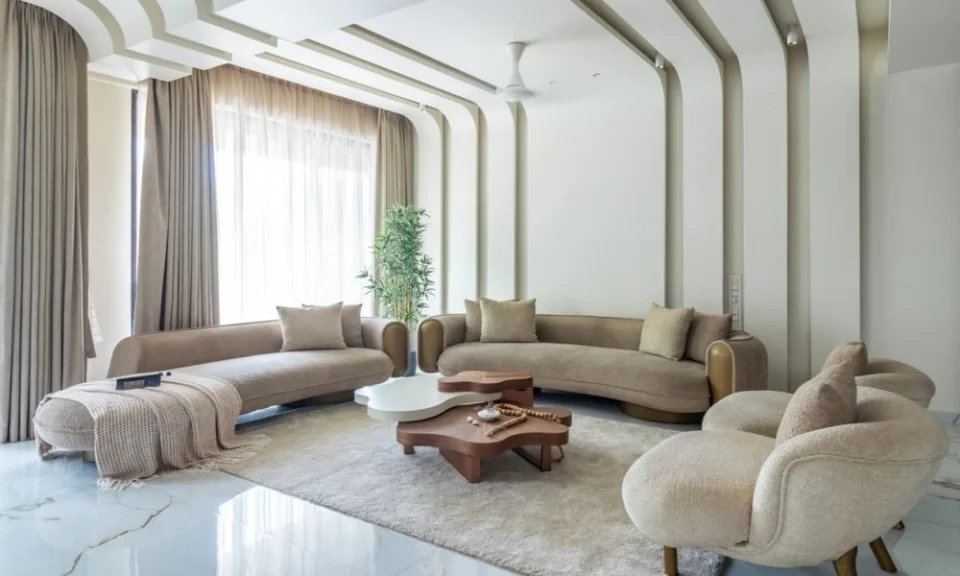
Extended stays change the way guests use accommodation. A hotel with spacious rooms in sukhumvit can support work, meals, relaxation, and private time. More usable floor area also reduces daily friction. When furnishings have clear purposes, each part of the room feels easier to manage. That balance becomes valuable when short visits become longer commitments.
Spacious layouts make daily routines easier
A larger living area gives routines room to develop naturally. Morning tasks can happen near a desk, while evening breaks take place elsewhere. This separation helps prevent work from taking over personal hours. Furniture placement matters too, since open paths keep movement simple.
- A desk creates focus during working hours.
- Sofas provide space for quiet breaks.
- Dining areas keep meals comfortably contained.
- Storage prevents luggage from spreading outward.
Could separate zones protect personal time?
Privacy depends on more than closed doors. A well-arranged room can create visual distance through furniture placement. For instance, seating can face away from a sleeping area. That small adjustment gives each activity a clearer boundary.
As schedules change, those boundaries become more useful. One guest might finish a call while another reads nearby. Neither activity needs to disrupt the other. Spacious design therefore supports privacy without making rooms feel divided.
Flexible living areas suit longer visits
Longer bookings often involve varied daily demands. A hotel with spacious rooms in sukhumvit can accommodate changing routines without constant rearrangement. Work may require a quiet corner during daylight hours. Later, that same area can support reading or conversation.
Storage adds another practical advantage. Personal belongings need accessible places during extended visits. When bags and clothing stay organized, the remaining floor area feels more usable. As a result, guests can maintain familiar routines with less effort.
Which details make extra space useful?
Room size alone cannot guarantee flexibility. Layout, lighting, seating, and storage shape how effectively floor area works. A modest room can feel comfortable with careful planning. Conversely, excessive furniture can reduce useful movement.
- Clear pathways make everyday movement easier.
- Adjustable lighting supports different evening activities.
- Dedicated seating creates another personal corner.
- Accessible storage keeps essentials within reach.
- A functional desk supports focused tasks.
What helps privacy during busy days?
Privacy becomes practical when different activities have defined places. A guest taking a work call can use the desk. Another person can remain in the seating area without creating disruption. This arrangement reduces the need for constant coordination.
However, flexibility should not require complicated furniture. Simple pieces often provide enough separation. A chair facing toward a window can form a quiet retreat. Meanwhile, an open central area preserves movement between zones.
A room can support changing priorities
Extended accommodation works best when space adapts without effort. A desk may serve business needs today, then become a planning area tomorrow. Likewise, a sofa can support breakfast, reading, or evening conversation. Such versatility gives guests more control over daily routines.
The key detail is purposeful space. When each corner serves several roles, privacy becomes easier to maintain. Even a simple seating arrangement can create a meaningful boundary. That small change can make longer stays feel more settled.
