
Key Takeaways
- Christian funeral services can be personalised without changing their religious purpose.
- Personal touches should complement Christian teachings rather than overshadow them.
- Music, readings, tributes, and visual displays can reflect the life and faith of the deceased.
- Families should consult church leaders and funeral parlour service providers when planning personalised elements.
- A balanced approach allows families to honour both religious traditions and individual memories.
Introduction
Every individual leaves behind a unique story, and many families wish to reflect that story during Christian funeral services. While Christian funerals follow established religious practices centred on worship, prayer, and hope in eternal life, there is still room for meaningful personalisation. The key is ensuring that personal elements support, rather than replace, the spiritual purpose of the service. By working closely with church representatives and experienced funeral parlour services, families can create a respectful farewell that honours both Christian traditions and the life of the deceased.
Keep the Religious Service as the Foundation
The primary purpose of a Christian funeral is to worship God, offer prayers for comfort, and remember the promise of eternal life through faith. Any personal additions should fit within this framework rather than distract from it. Church services usually include scripture readings, hymns, prayers, and a sermon, all of which carry significant religious meaning. Families should discuss any planned personal elements with the officiating minister or pastor to ensure they are appropriate for the denomination’s practices. Maintaining this balance allows the funeral to remain faithful to Christian teachings while acknowledging the individual’s life and legacy.
Personalise Through Music, Readings, and Tributes
Music is one of the most effective ways to personalise a funeral while remaining respectful of Christian traditions. Families may choose hymns that held special meaning for the deceased or songs that reflect their faith journey, provided they are suitable for the church setting. Scripture passages can also be selected based on verses that brought comfort or inspiration during the person’s life. In many services, family members or close friends may deliver a short eulogy or tribute. These speeches should focus on the individual’s character, faith, values, and positive influence rather than becoming lengthy personal presentations that shift attention away from the religious service.
Include Meaningful Visual and Memorial Elements
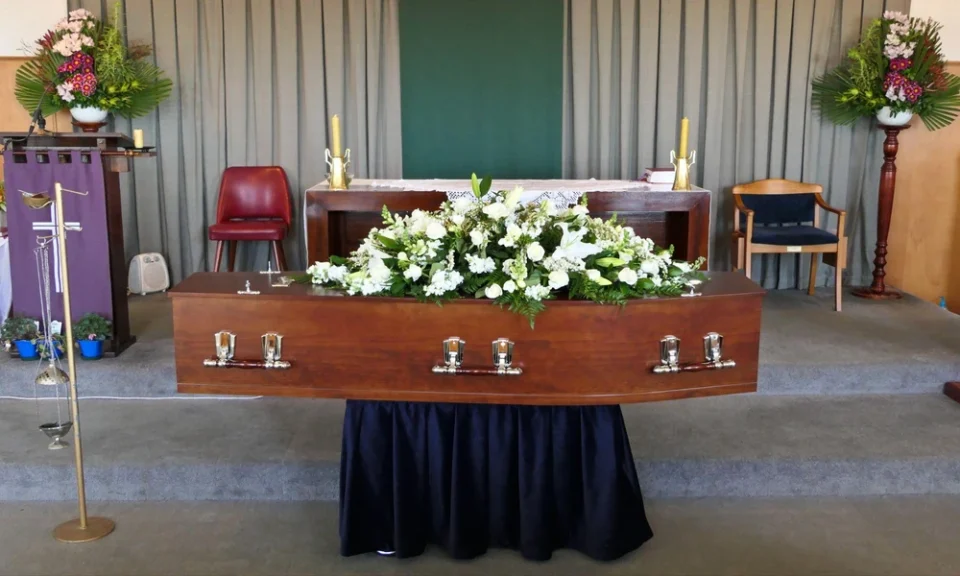
Visual displays provide another opportunity for personalisation without altering the structure of the funeral. Photographs displayed at the wake or reception can highlight important moments from the deceased’s life, family relationships, and community involvement. Memory boards, floral arrangements in favourite colours, or displays of meaningful personal items may also be appropriate, particularly outside the church service itself. Some families prepare printed memorial booklets that include favourite Bible verses, family photographs, and a brief life history. These additions help attendees reflect on the individual’s life while preserving the dignity of the overall service.
Work Closely with Funeral Professionals
Experienced funeral parlour services play an important role in helping families combine personal wishes with religious requirements. Funeral directors regularly coordinate with churches, clergy, musicians, florists, and cemeteries, allowing them to identify which requests are suitable and which may require adjustment. They can also advise on the placement of memorial displays, scheduling of tributes, and coordination of funeral processions. Early discussions give families more flexibility when making decisions and help avoid last-minute changes that could affect the smooth running of the service.
Respect Denominational Practices and Family Expectations
Not all Christian denominations follow identical funeral customs. Roman Catholic, Anglican, Methodist, Presbyterian, Baptist, and other churches may have different guidelines regarding music, readings, communion, or the order of service. Families should familiarise themselves with these practices before finalising plans. It is equally important to consider the expectations of close relatives, ensuring that personal preferences do not unintentionally create disagreements during an already emotional time. Open communication between family members, clergy, and funeral professionals helps everyone work towards a respectful and unified service.
Conclusion
Personalising Christian funeral services does not require abandoning religious traditions. Instead, thoughtful choices in music, tributes, memorial displays, and printed materials can celebrate the unique life of the deceased while preserving the spiritual purpose of the funeral. With guidance from church leaders and professional funeral parlour services, families can create a farewell that reflects faith, honours cherished memories, and provides comfort to those gathering to say their final goodbye.
Partner with Casket Fairprice and let us help your family organise a Christian funeral service that honours both faith and the life of your loved one.
