
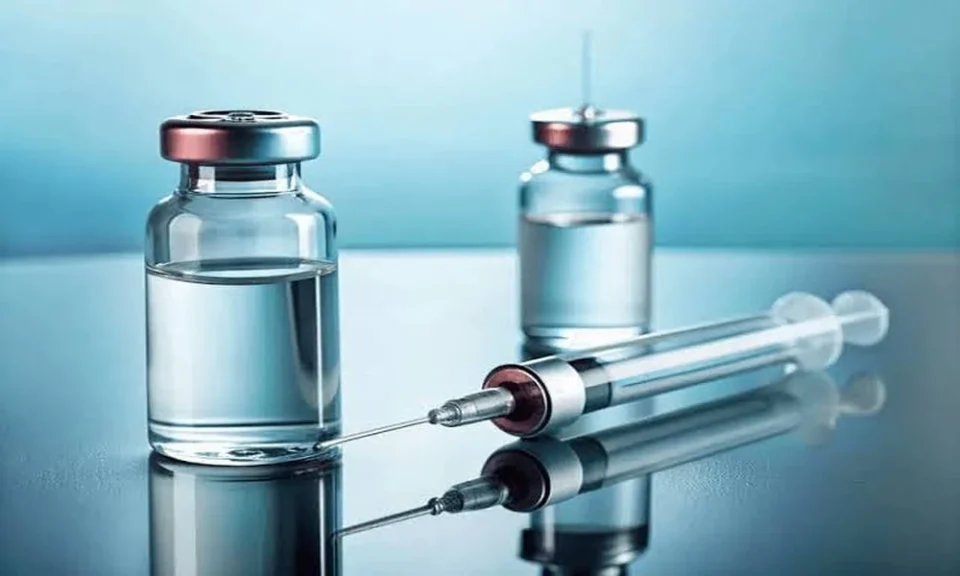
Collagen peptides are amino acids that serve as building blocks for the production of collagen by fibroblast cells in the skin and joints. BPC-157, ipamorelin, and GHK-Cu bind to cellular receptors within the body and trigger signaling responses that are not generated by dietary intake alone. Both categories act through completely different biological mechanisms on completely different tissue targets. Peptides for women pursuing fitness goals need to know which biological process their goal requires before any compound selection makes sense. This is because choosing the wrong category produces no result for the intended application, regardless of protocol length or dosing structure.
Oral vs injectable delivery
Collagen supplements dissolve in liquid or food. No injection, no cold storage, no reconstitution from lyophilised powder, no sourcing from research chemical suppliers. That accessibility is a real practical advantage for women who want evidence-based connective tissue support without managing injectable protocol logistics. Synthetic research peptides require subcutaneous injection for most musculoskeletal and GH axis applications, alongside cold storage and sourcing from suppliers operating outside pharmaceutical regulatory frameworks in most countries. Human trial data for BPC-157 and Ipamorelin in fitness applications do not exist in the published literature. Preclinical rodent research and community accounts are the primary evidence sources for both compounds in recovery contexts, which is a meaningful gap relative to the controlled female-subject trial record that collagen supplements have built across the same period.
Five goal-based selections
Fitness goals determine which category applies:
- Hydrolysed collagen at five to ten grams daily has the strongest controlled trial evidence in female subjects and does not require injections or specialist sourcing from research chemical suppliers.
- Women with knee and hip joint problems report consistent pain reduction and functional improvement from collagen peptide trials, making it a more evidence-based option than synthetic compounds lacking human equivalents.
- Tendon or ligament injury recovery: BPC-157 drives localised angiogenesis at the injury site through VEGF activation. Dietary collagen precursors do not replicate that mechanism at any dose or duration, making synthetic research peptides the only option for that specific biological requirement.
- GH pulsatility support for muscle preservation after menopause: Ipamorelin binds the pituitary ghrelin receptor and stimulates GH release. No dietary supplement replicates that mechanism, making this goal exclusively addressable through synthetic compounds.
- Fibroblast stimulation beyond collagen supplementation: GHK-Cu acts directly on collagen signalling pathways suppressed by oestrogen decline. Providing more collagen amino acids does not resolve fibroblast suppression at the level of cellular repression, regardless of supplementation dose.
Running both together
Women using both categories simultaneously appear in community accounts. Goals span routine collagen maintenance for skin and joints alongside BPC-157 or GHK-Cu for a specific injury or fibroblast stimulation target that collagen supplementation alone does not reach at the mechanism level. Running both together addresses different requirements within the same protocol cycle without either category interfering with the other.
Peptides for women in fitness contexts are divided into dietary collagen supplements and synthetic research peptides. The goal specifies which category applies, and for most women, that distinction makes the selection straightforward once the specific biological deficit driving the goal is clearly identified.
