
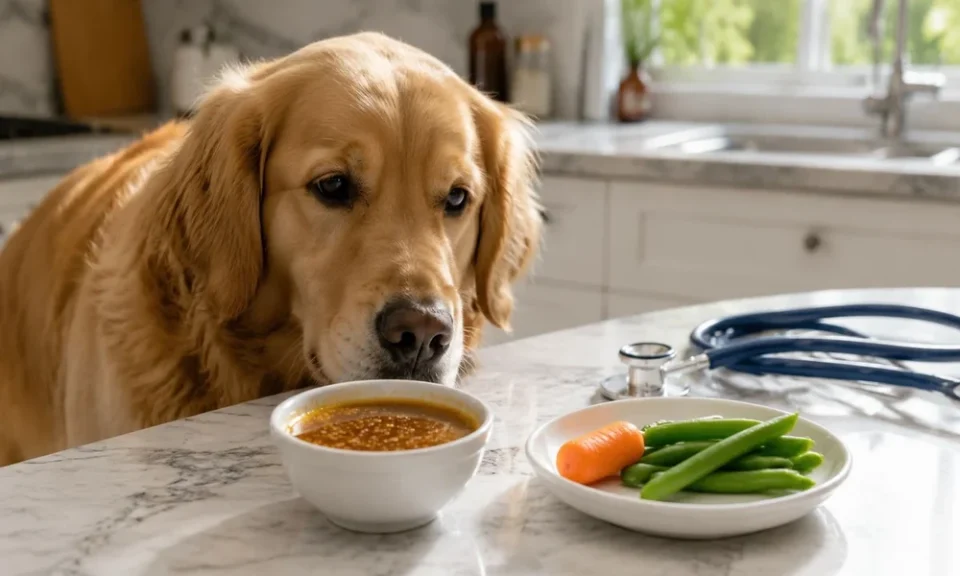
I opened a bag of bacon dog treats last spring and got hit with a smell that had nothing to do with bacon. More like wet cardboard with a hint of hospital hallway. My dog didn’t care. He was already doing the spinning thing by the pantry door. I cared, because I’d paid real money for something that smelled like it was mad at me.
That moment sent me down a rabbit hole I never expected to enjoy: figuring out what actually goes into pet wellness treats and why the good ones sometimes smell strange. If you’ve been comparing options for CBD for pets, the smell test is a useful place to start. Not because a bad smell means a bad product, but because it tells you something about what’s inside the bag and how it got there.
What’s actually making that smell
Most of the time, the culprit is the carrier, not the active ingredient. Hemp extract on its own is a thick, dark, grassy-smelling substance. It needs something to ride on so it can be measured into a treat, and that something shapes the entire sensory experience of the bag.
Three carriers cover the vast majority of what’s on shelves right now. Coconut oil is the most common, because it holds extract well and stays solid at room temperature. MCT oil, a refined fraction of coconut, is lighter and nearly tasteless. Then there’s the whole-plant route, where the extract goes in with more of the plant material intact.
Here’s the part that surprises people. Whole-plant products legitimately smell earthy, almost like a bag of loose tea that sat in a warm cabinet. That’s normal. What isn’t normal is a sharp chemical edge, or a smell that shifts between bags. Inconsistent smell usually means inconsistent sourcing, and that’s the thing worth paying attention to.
If the bag smells like a wet lawn, that’s the plant. If it smells like a pharmacy, ask what’s in it.
The bacon problem, specifically
Bacon is a hard flavor to fake. Real bacon gets its character from smoke, salt, and fat, and none of those survive well in a soft chew that has to sit on a shelf for a year. So most bacon treats use a flavoring built to mimic the profile, and flavorings vary wildly in quality.
Taste is the first thing dogs notice in food, and smell is how they get there. The American Kennel Club notes that smell is a dog’s dominant sense, which explains why your dog decides whether a treat is worth his time before he’s even chewed it. A cheap flavoring that smells off to you will probably still work on him. That doesn’t mean you should ignore your nose.
What you’re really checking for is whether the flavoring is doing too much work. A strong artificial bacon scent layered over an extract that needed masking is a yellow flag. A milder bacon note on a product that smells mostly of coconut or hemp is usually a sign the formula is straightforward.
A framework I actually use at the counter
I’ve bought enough of these bags to have stopped reading the front and started working through a short mental checklist. I call it the three senses test, and it takes about ninety seconds in the store or thirty at your kitchen counter after a delivery.
- Smell it twice. Once right at the opening, once after you rub a treat between your fingers. Heat releases different compounds. If the second sniff is dramatically worse, the flavoring is doing heavy lifting.
- Touch the texture. Soft chews should give slightly and spring back. Crumbly means stale, sticky means a moisture problem. Neither is dangerous, but both tell you the bag has been through something.
- Watch the reaction. A dog that sniffs, drops it, sniffs again, and walks away is telling you the smell didn’t land. A dog that inhales it in one motion got a treat that passed the only test that matters to him.
That third step is the one people skip. It’s also the only one with a living subject. Your dog is the final quality control department, and he doesn’t have a marketing team.
Reading the bag without getting lost
Ingredient lists on pet products tend to run long and vague. You’re looking for the extract source and the carrier named plainly, plus a clear statement of how much extract is in each treat. If the front says something like full spectrum but the back never tells you a number, that’s a gap.
Manufacturing standards matter more than most people realize. The Pet Food Institute points out that pet products fall under a different regulatory framework than human food, which is why third-party testing has become a buying criterion rather than a marketing extra. A batch lookup page, where you can type in a number from the bag and pull a lab result, is worth more to me than any badge on the front. If a brand can’t produce one, I move on.
Two other items earn a spot on the label: a clear statement that the product is free of THC, and a phone number or contact route to a real person. Neither guarantees anything, but the absence of both tells you how the company thinks about its customers.
How to start without overthinking it
If you’re new to this category, keep the first order small. A five-pack or a single small bag tells you everything you need: how it smells, how it feels, how your dog reacts, and whether the company ships it in packaging that keeps it fresh. Ordering the big bag first is how people end up with a cabinet full of treats their dog won’t touch.
Store whatever you buy away from heat and light. Soft chews degrade faster in a warm car or a sunny windowsill than most people account for, and a treat that sat in a hot mailbox for six hours is a different product than the one the company shipped.
One more thing from the veterinary side. The ASPCA maintains guidance on common household items and foods that pose risks to dogs, and it’s the reference I check before introducing anything new into my dog’s routine. Having that baseline loaded up means you’re not learning the hard way.
The bag that smells like a bag
Six months after that first disappointing bag, I’ve got a simple rule. A good pet treat should smell like food, or like a plant, or like coconut. It shouldn’t smell like a manufacturing process. That’s not a scientific standard, and I’m fine with that. It’s a standard built from a dozen bags and one very opinionated dog.
So next time you open a bag and the smell makes you pause, pause. Sniff it twice, feel the texture, and watch what your dog does. Then decide whether you’d buy it again. That’s a better system than any guarantee printed on the front, and it takes less time than reading this article did.
What’s the strangest thing a “bacon” treat has ever smelled like in your house?
