
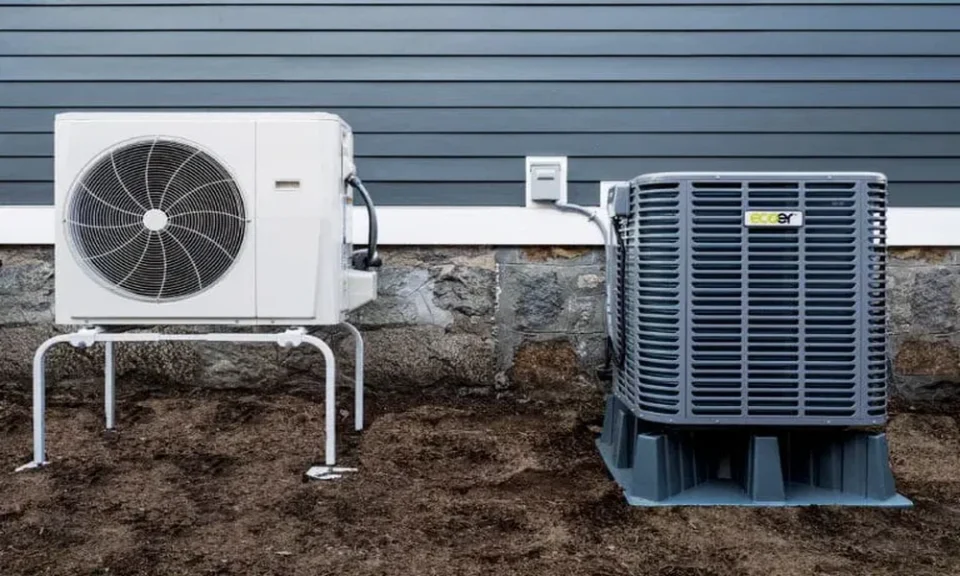
Twenty years ago, replacing a furnace and air conditioner meant picking a tonnage, a brand and an efficiency level. Most installers simply matched whatever came out of the basement. That approach no longer holds up, because nearly every part of the job now follows different rules, from the refrigerant inside the line set to the pipe that carries exhaust out of the house.
Some changes came from federal regulators, others from manufacturers responding to tighter homes. Along the Front Range, where houses sit above 5,000 feet and January nights regularly drop into single digits, a few of these shifts carry more weight than they do in milder parts of the country. Knowing how the old way worked makes it far easier to understand why a new quote looks the way it does.
For Aurora households sorting through these options, Lifestyle Heating and Cooling handles heat pump installs, ductless mini-splits, smart thermostats, UV lamps and whole-house humidifiers alongside standard furnace and AC work. Its maintenance plans keep new equipment on a regular inspection schedule, and the team answers calls 24/7, so the conversation about a planned upgrade or a sudden breakdown can start whenever the need shows up.
1. Refrigerant Went From Topping Off to Matched, Monitored Systems
Older systems ran on R-22, and a slow leak was often handled by adding refrigerant each spring. R-410A replaced it for new equipment, and for years that was the default. Now the industry has moved again. Manufacturers stopped building new R-410A residential split systems at the start of 2025 and shifted to A2L refrigerants such as R-454B and R-32, which carry a much lower global warming potential. Because A2Ls are mildly flammable, many new indoor coils include leak sensors that switch on the blower to disperse refrigerant. In May 2026 the EPA finalized changes to its Technology Transitions rule that lifted the installation deadline for R-410A equipment built before 2025, so both types can still appear in quotes.
Before signing, a homeowner can:
- Confirm the outdoor unit and indoor coil use the same refrigerant, since the two cannot be mixed.
- Ask how future repair costs might change if the quote uses leftover R-410A stock.
- Check that the crew is trained on A2L handling and the leak detection parts.
2. Efficiency Ratings Got a Tougher Test
The old SEER rating was measured in a lab at very low duct resistance, which made many units look better on paper than they performed in a real home. Since 2023, equipment is rated under SEER2, a test that uses external static pressure closer to what actual ductwork creates. The numbers dropped as a result. A unit once labeled 14 SEER lands around 13.4 SEER2, which is also the minimum for central air in the northern region that includes Colorado.
To compare quotes fairly:
- Put every proposal in SEER2 terms so no one is mixing old and new figures.
- Ask the installer to measure static pressure on the existing ducts.
- Request the AHRI certificate showing the exact outdoor unit, coil and furnace pairing.
3. The 80 Percent Furnace Has an End Date
For decades, the standard furnace burned at 80 percent AFUE and sent hot exhaust up a metal flue, often into a chimney shared with the water heater. That minimum had not moved since 2007. Under the federal rule, residential gas furnaces made on or after December 18, 2028 must reach 95 percent AFUE, which effectively requires condensing models. Those vent through PVC pipe out a wall or roof and need a drain for the acidic water they produce. At altitude there is another wrinkle, since gas appliances are commonly derated by about 4 percent for every 1,000 feet above 2,000 feet.
Planning the switch involves three steps:
- Map the vent route and condensate drain before choosing a unit.
- Ask whether the water heater needs a chimney liner once the furnace no longer shares that flue.
- Verify the furnace is set up and tested for local elevation.
4. Heat Pumps Learned to Handle Real Winters
Older heat pumps lost much of their output near freezing and leaned on electric resistance strips that drove up bills, which kept many Colorado homeowners away. Inverter compressors changed the picture by speeding up as the weather gets colder. ENERGY STAR now sets a cold climate category that requires models to prove efficient performance at 5°F. Many Front Range homes pair one with a gas furnace in a dual fuel setup, letting the heat pump carry most of the season.
When weighing a heat pump:
- Ask for its heating capacity at 5°F, not only the 47°F rating on the brochure.
- Decide the outdoor temperature at which the furnace should take over.
- Make sure backup heat is sized for the coldest stretch of January.
5. Blowers and Thermostats Stopped Running On or Off
Older furnaces used PSC blower motors that ran at one or two fixed speeds, controlled by a simple thermostat calling for heat or not. A federal furnace fan standard that took effect in 2019 pushed manufacturers toward ECM motors, which use far less electricity. Many new systems go further, with variable speed blowers, two-stage or modulating burners, and thermostats that control each stage instead of flipping a switch.
To get the full benefit:
- Ask whether the blower is constant torque or fully variable speed.
- Confirm the thermostat supports staging and has a common wire for power.
- Have the installer set fan profiles instead of leaving factory defaults.
6. Sizing Moved From Square Footage to Load Math
The old shortcut assigned roughly one ton of cooling per 400 to 500 square feet, or simply copied the size of the previous unit. New windows, added insulation and finished basements have changed what most houses need. A Manual J load calculation, developed by ACCA, accounts for those details. An oversized system short cycles, wears faster and leaves rooms uneven, which matters even more with variable equipment designed to run long and slow.
Getting the size right means:
- Requesting a written Manual J report with the quote.
- Listing every upgrade made to the home since the last install.
- Having airflow checked room by room after the system starts up.
A proposal that covers refrigerant type, SEER2 pairing, venting, cold weather capacity, blower controls and a real load calculation reflects how the job works now, not how it worked when the old system went in.
