
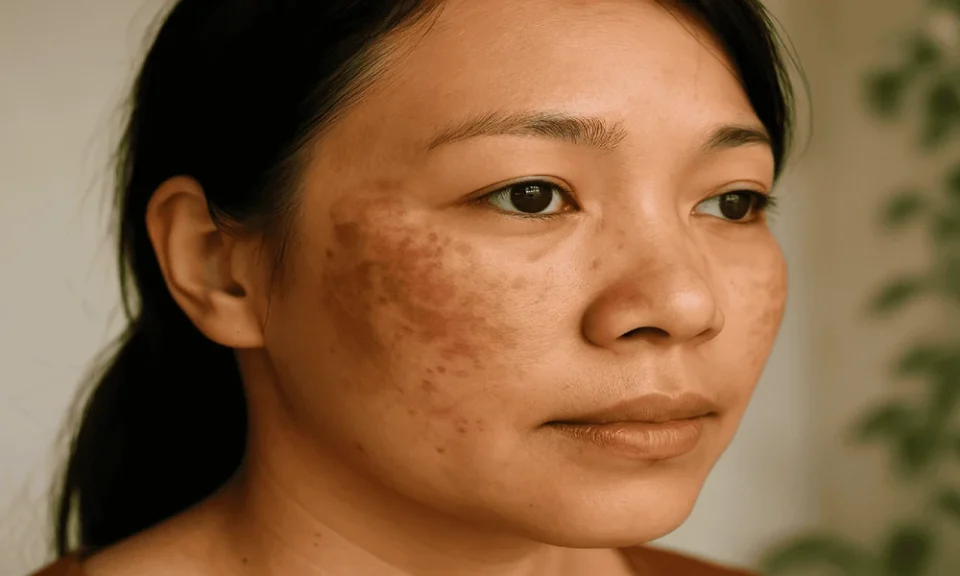
Melasma is a skin condition that often requires patience and the right strategy rather than a quick solution. Dark patches can become more noticeable after sun exposure, hormonal changes, or other environmental triggers, making the complexion appear uneven. Since melasma develops differently from one person to another, successful management usually involves more than a single procedure. Understanding how a melasma treatment program works helps set realistic expectations while highlighting the importance of professional assessment and ongoing skin care.
Why Melasma Needs a Structured Approach
Unlike temporary pigmentation, melasma often affects deeper layers of the skin. This makes it more challenging to treat with over the counter products alone.
Even when dark patches become lighter, the condition may return if the underlying triggers are not managed. A structured treatment program focuses on reducing existing pigmentation while lowering the risk of future recurrence.
The goal is gradual and consistent improvement rather than immediate results.
What Is Included in a Treatment Program?
A personalized treatment plan is developed after evaluating the skin, pigmentation depth, and individual lifestyle factors.
Depending on the patient’s condition, the program may include:
- Laser treatments
- Medical grade skincare
- Brightening products
- Daily sun protection
- Regular skin assessments
- Maintenance sessions
Combining multiple treatment methods often provides better results than relying on one procedure alone.
The Importance of Professional Skin Assessment
Before treatment begins, the practitioner carefully examines several factors.
These include:
- Pigmentation depth
- Skin sensitivity
- Medical history
- Previous skincare treatments
- Sun exposure habits
- Overall skin condition
This evaluation helps determine the safest and most effective treatment strategy for each individual.
How Improvement Develops Over Time
Melasma treatment is usually a gradual process.
Early Stage
The first phase focuses on reducing active pigment production while improving skin health.
Ongoing Treatment
With continued professional care, dark patches often become lighter and the overall complexion begins to appear more even.
Long Term Maintenance
Maintenance is an important part of successful treatment because melasma has a tendency to return.
Regular follow up appointments allow the treatment plan to be adjusted according to the skin’s progress.
Daily Habits That Support Better Results
Professional treatment works most effectively when combined with healthy skincare habits.
Helpful practices include:
| Daily Habit | Benefit |
|---|---|
| Apply sunscreen every morning | Protects against new pigmentation |
| Wear protective clothing outdoors | Reduces ultraviolet exposure |
| Use recommended skincare products | Supports skin recovery |
| Avoid prolonged sun exposure | Helps maintain results |
| Attend follow up appointments | Allows ongoing treatment adjustments |
Small daily habits often make a significant difference in maintaining clearer skin over time.
Age, skin type, pigmentation depth, and lifestyle all influence the most suitable treatment approach. Professional guidance allows these factors to be considered before selecting appropriate procedures.
People researching a melasma treatment program are often looking for lasting improvement instead of temporary skin brightening. A personalized combination of advanced treatments, medical skincare, and consistent follow up care offers a practical path toward a more even complexion while helping reduce the chance of future pigmentation returning.
