
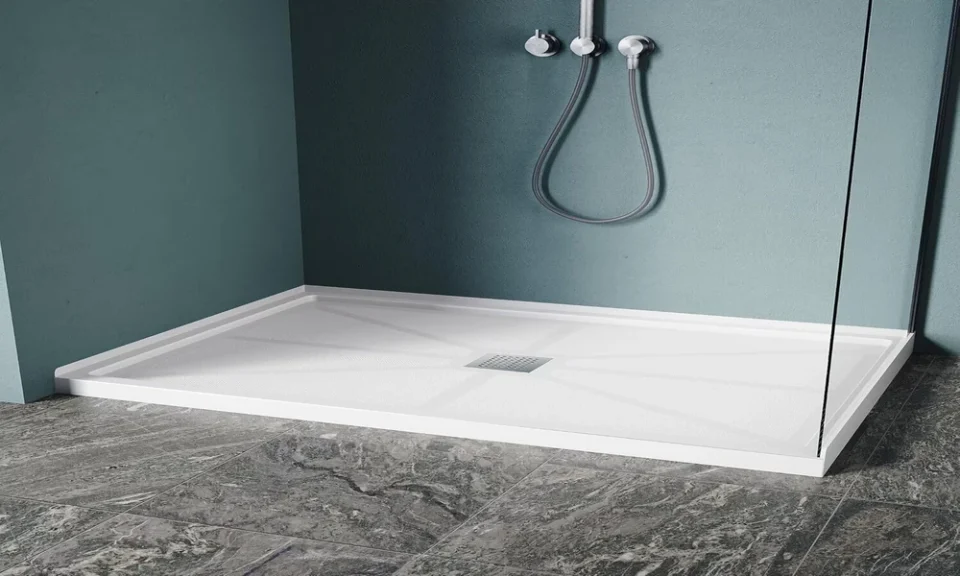
Daily washing becomes easier when a bathroom has an open layout and practical features. A low entry point can reduce the effort needed to enter the bathing area. Clear floor space also helps people move more freely while completing everyday tasks. Thoughtful planning supports older adults and anyone who prefers a simpler bathing arrangement. Suitable materials can make cleaning easier while maintaining an attractive appearance. Careful design choices help create a useful space that supports independence and reduces common household risks.
Why Choose An Accessible Shower Design?
A well-planned bathing area removes unnecessary barriers. A lower entrance allows easier movement into the enclosure. Suitable dimensions also provide enough room for regular activities without feeling restricted. These features support daily independence.
What Makes Entry Easier For Users?
A shallow entry reduces the need to lift feet over tall edges. This design may help people who find stepping difficult. A wide opening can further simplify access and movement.
How Does Professional Planning Prevent Problems?
An experienced installer can assess measurements and identify practical design options. A trusted acrylic bath installation company can also explain suitable materials and fitting requirements. Proper preparation helps prevent drainage issues and unwanted gaps.
Which Safety Features Improve Stability Most?
Stable support features can make bathing feel more secure. Proper placement matters because users need reliable assistance when entering or leaving the enclosure.
How Can Better Lighting Improve Visibility?
Bright lighting helps users identify edges and changes in floor level. Even illumination reduces dark corners. Suitable switches should also be easy to reach.
What Should Homeowners Check Before Installation?
Planning helps prevent costly changes after work begins. Measure the available area and consider the needs of everyone using the bathroom. Check these important details:
– Entrance width for easy movement.
– Floor slope for proper drainage.
– Wall strength for secure fittings.
– Lighting placement for clear visibility.
– Available space for support rails.
Could Support Rails Make Bathing Safer?
Well-secured rails provide a firm point to hold when entering or leaving. Their position should match the user’s natural reach. Professional fitting helps ensure reliable support.
What Cleaning Habits Preserve Surface Quality?
Simple care routines help maintain the enclosure for longer. Follow the manufacturer’s instructions and avoid harsh products that may damage the finish.
– Use a soft cloth for wiping.
– Choose suitable non-abrasive cleaners.
– Remove standing water after use.
– Check joints for signs of wear.
– Keep the entrance area clear.
Can Storage Choices Improve Bathroom Access?
Storage should remain within easy reach without blocking movement. Recessed shelves can keep everyday items organised. Avoid placing loose objects near the entrance where they may create obstacles.
Which Design Details Support Long-Term Use?
Choose fittings that are easy to operate and maintain. A flexible shower head can simplify washing while seated. Durable panels and replaceable accessories may also support future household needs.
What Creates A More Accessible Bathroom?
A practical bathing space begins with suitable measurements and thoughtful safety features. Select an entry style that matches the user’s mobility and allow enough room for movement. Professional assessment can help identify suitable improvements before installation starts. Regular inspections also keep fittings secure and surfaces in good condition. For tailored guidance and reliable workmanship, consult an acrylic bath installation company that understands accessible bathroom design.
