
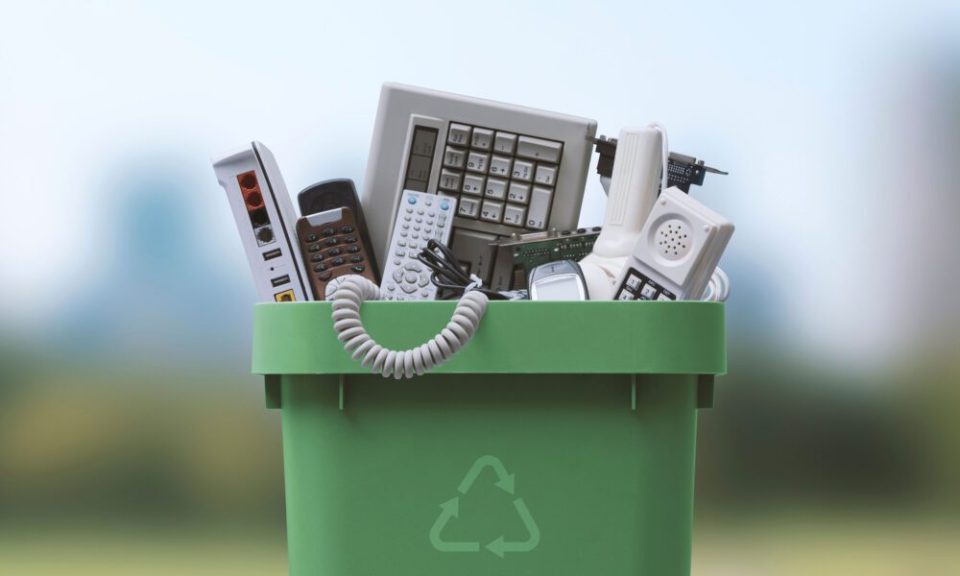
The accelerating pace of electronic consumption has made e trash recycling one of Singapore’s most pressing environmental challenges. Every year, tens of thousands of tonnes of discarded phones, laptops, refrigerators and air-conditioners flow through the island nation, each device laden with valuable metals and hazardous materials that demand careful handling. The question is no longer whether we should recycle our electronics, but how effectively we can channel these resources back into productive use before they poison the soil or disappear into landfills.
Singapore’s relationship with electronic waste reveals both progress and persistent obstacles. A 2018 study documented that more than 60,000 tonnes of e-waste were generated annually, yet only 6 per cent found its way to recycling facilities. The numbers told a story of opportunity squandered and resources lost. By 2021, the National Environment Agency recognised that voluntary measures had failed to move the needle sufficiently, and launched a structured e trash recycling scheme that shifted responsibility to manufacturers and importers. The programme appointed licensed operators to establish collection points across the island and process regulated consumer electronics on behalf of producers.
The early results suggest the strategy is gaining traction. Since the scheme’s inception in 2021, collection points have gathered over 34,000 tonnes of electronic waste. The year 2025 has proven particularly robust, with nearly 10,000 tonnes collected through the first three quarters, representing a 60 per cent increase over the same period in 2024. Senior Minister of State for Sustainability and the Environment Janil Puthucheary noted at an International E-waste Day event that “e-waste contains heavy metals and hazardous substances that, if improperly disposed of, can harm public health and contaminate the environment.”
What Makes E-Waste So Dangerous
The risk posed by discarded electronics extends beyond simple clutter. Old batteries leak poisonous chemicals into groundwater. Lithium-ion cells, when crushed in rubbish trucks or compressed at disposal facilities, can spontaneously ignite and trigger fires. Fluorescent tubes and light bulbs contain trace amounts of mercury that require specialised treatment. Air-conditioners and refrigerators hold refrigerants that contribute to ozone depletion if released carelessly. Each improperly discarded device becomes a small environmental liability that accumulates across millions of households.
Yet these same devices represent a treasure trove of recoverable materials. Copper wiring, aluminium frames, precious metals in circuit boards, and rare earth elements in screens all hold economic value. Smartphones, when properly disassembled, can achieve more than 90 per cent material recovery rates. The challenge lies in capturing these devices before they enter the general waste stream where their components become irretrievably mixed with contaminated refuse.
How E Trash Recycling Works in Singapore
The current e trash recycling infrastructure relies on a network of drop-off points strategically positioned throughout the island:
- Shopping malls and retail centres where consumers already congregate
- Electronics stores that serve as natural collection hubs for replacement purchases
- Supermarkets offering convenience for routine disposal during shopping trips
- Community centres that provide neighbourhood-level access, with plans to equip all such centres with collection bins by June 2026
The programme operator has developed a mobile application that helps residents locate the nearest collection point and offers rewards for consistent recycling behaviour. Large household appliances dominate the collection stream, with air-conditioners representing the highest volume. Information and communications technology equipment follows, along with portable batteries. However, smaller items such as adaptors, portable chargers and mobile phones remain significantly under-collected despite their concentration of valuable materials.
Barriers to Better Collection Rates
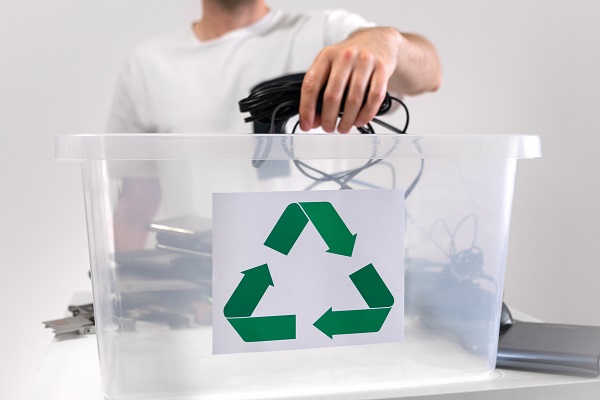
Several obstacles prevent e trash recycling from reaching its full potential. Data security concerns lead many people to hoard old phones and laptops rather than risk exposing personal information. The inconvenience of transporting bulky items to collection points deters some households. Perhaps most significantly, a weak recycling culture persists across Singapore, where the household recycling rate fell to just 11 per cent in 2024, its lowest recorded level. Contamination of recycling bins, business challenges facing collection operators, and simple apathy all contribute to the gap between waste generated and waste properly processed.
The programme operator has acknowledged that substantial runway remains for improvement. With a certain quantity of electronics sold into the Singapore market each year, the goal is to achieve the highest possible collection rate. This means not merely expanding infrastructure but fundamentally shifting public behaviour around electronic disposal.
Practical Steps for Responsible Disposal
Citizens can contribute to improved e trash recycling outcomes through several straightforward actions. Before disposing of any device containing storage, wipe all personal data using factory reset functions or data erasure software. Separate batteries from devices when possible, as loose lithium-ion cells pose particular fire hazards. Identify the nearest collection point using available digital tools rather than defaulting to general waste bins. Consider the environmental cost of premature replacement and extend device lifespans through repairs when economically feasible.
The evidence from Singapore’s first four years under the structured programme demonstrates that systematic e trash recycling can scale when properly organised and funded through producer responsibility. The 60 per cent year-on-year growth in collections shows momentum building. Yet the ultimate measure of success will be whether Singapore can close the gap between the electronics consumed and the electronics recovered, transforming a mounting waste problem into a sustainable materials cycle. Only through continued infrastructure expansion, public education and convenient access can e trash recycling become the default choice rather than the exception.
