
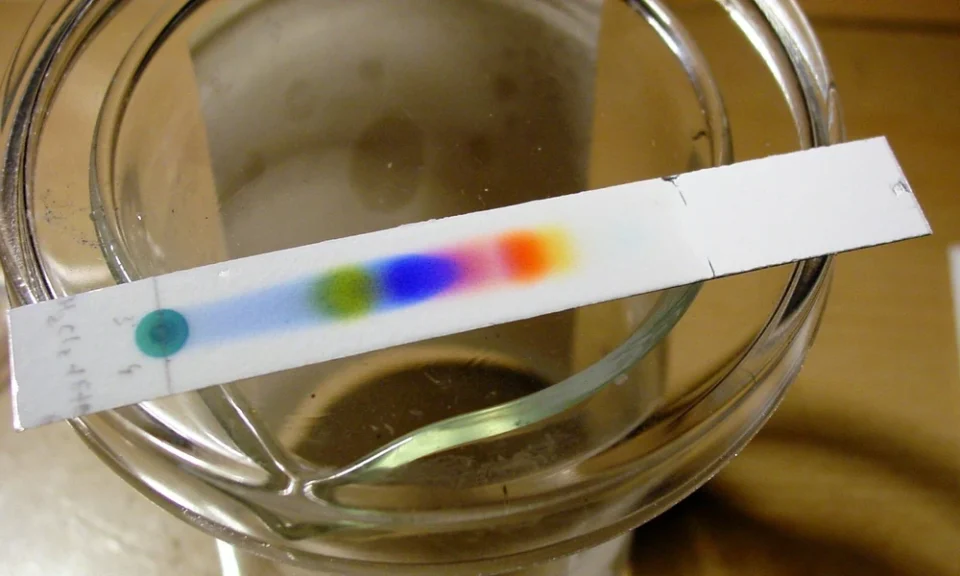
Two students spot the same reaction mixture side by side and come back ten minutes later with different pictures. One plate shows neat, round spots in a tidy column. The other has a smear climbing halfway up and a solvent front that leans like a tired fence. The sheets came out of the same box, so the difference lies almost entirely in handling.
Handling can be fixed, which is encouraging. Thin layer chromatography plates are among the cheapest and quickest analytical tools in any lab, used to follow a reaction, check purity or screen extracts before more expensive work begins. Small habits around cutting, spotting, the chamber and storage decide whether those minutes give a trustworthy answer.
Why Do Many Labs Prefer Aluminium-Backed Thin Layer Chromatography Plates?
Glass plates are rigid, easy to heat strongly and resistant to aggressive spray reagents. Aluminium sheets trade a little of that toughness for convenience. They are light, unbreakable and thin enough to cut with ordinary scissors, so one large sheet can become dozens of narrow strips sized to the job in hand. A dried strip also slips into a notebook or a sealed sleeve, which makes record keeping simpler.
The trade-off is chemical. The metal backing can be attacked by strongly acidic or alkaline mobile phases and sprays, and very harsh charring conditions suit glass better. For routine reaction monitoring with common organic solvents, an aluminium TLC plate handles the work comfortably, which is why the format has become an everyday choice in many teaching and synthesis labs.
What Does Silica Gel 60 F254 on the Label Mean?
The label packs in three pieces of information. Silica gel is the stationary phase, a polar adsorbent that holds polar compounds back while less polar ones travel further with the solvent. The 60 refers to the average pore diameter of the silica, about 60 angstroms. F254 means a fluorescent indicator has been mixed into the layer, one that glows under short-wave UV light at 254 nm.
That indicator explains the dark spots you see under a UV lamp. Compounds that absorb at 254 nm stop the light reaching the indicator beneath them, so they appear as shadows against a green glow. Anything that does not absorb at that wavelength stays invisible and needs a stain, such as iodine vapour, potassium permanganate or a vanillin dip. A Merck TLC plate labelled silica gel 60 F254 on aluminium turns up regularly in published methods, and other manufacturers use the same naming, so compare layer type and thickness on the label before switching brands.
Can You Cut and Mark the Sheets Without Damaging the Layer?
Yes, with a little care. Use clean, sharp scissors in smooth strokes and check the edges afterwards, because a ragged edge where silica has flaked away makes the solvent climb unevenly. Avoid bending strips once cut, as flexing can crack the coating. Hold them by the edges or with tweezers, since skin oils and hand cream leave marks that show up as ghost spots under UV.
Draw the origin line lightly in soft pencil, about 1 cm from the bottom. Ink contains dyes that run with the solvent. Spots should be small, ideally a millimetre or two across, applied with a fine capillary in several light touches, letting each one dry before the next. A dilute sample spotted twice gives a far cleaner result than a concentrated drop applied once.
Why Do Spots Streak, Tail or Run Crooked?
Overloading is the usual culprit behind streaks. Too much material saturates the silica, and the excess drags upwards as a smear, so diluting the sample often fixes it at once. Tailing of acids and bases has a different cause: these compounds cling strongly to the slightly acidic silica surface. A few drops of acetic acid in the mobile phase help acidic compounds, while a little triethylamine helps basic ones.
Crooked or curved fronts point to the chamber. Line the jar with filter paper soaked in the solvent and close the lid for several minutes before the run, so the air inside fills with vapour. Keep the solvent level below the origin line, stop the strip touching the walls or the paper lining, and leave the chamber alone until the front is about a centimetre from the top.
Should the Plates Be Dried or Activated Before Use?
Silica on thin layer chromatography plates absorbs moisture from the air, and the amount of water in the layer changes how strongly compounds stick. On a humid monsoon afternoon, Rf values can drift compared with the same run in a dry, air-conditioned room. Where reproducibility matters, many labs heat plates briefly in an oven and let them cool in a desiccator, with the time and temperature taken from the manufacturer’s guidance or a validated method.
Storage follows the same logic. Keep unused sheets in their original packaging or a sealed container, in a dry cupboard at room temperature and away from solvent fumes. A box left open beside the rotary evaporator will soak up vapours that later appear as mystery spots or a dirty background. Some analysts also pre-run a blank plate in the eluent to carry impurities up to the top edge before spotting.
Sourcing Consistent Plates: What Should Buyers Check?
Repeatable results also depend on receiving the same product every time. Baddi, in the Solan district of Himachal Pradesh, is often described as one of Asia’s largest pharmaceutical hubs, so routine TLC materials are in steady demand there. When quality control teams in that belt compare the best chemical suppliers in Baddi, the useful questions concern consistency: is the same layer type available month after month, does each batch come with a certificate of analysis and lot number, and is stock kept dry and away from heat in transit?
Cost varies with backing material, layer type, sheet size and pack quantity, so compare like with like when weighing offers. Once a method has been validated on a particular plate type, changing layers without a check run invites trouble.
Do Rf Values Stay Comparable Between Runs?
They do, as long as the plate type, solvent mixture, chamber saturation, temperature and distance run stay the same from one session to the next. Even then, small day-to-day drift is normal, so running a reference standard on the same strip as the sample gives a far more reliable comparison than a number copied from an old notebook. Co-spotting, where sample and standard share one spot, removes doubt when two compounds run close together. Treat every aluminium TLC plate as part of the method itself, and the pictures on your bench will start to match from week to week.
